Interior vs. Exterior Paint: What’s the Difference?
Many people assume paint is just paint, but the chemistry behind interior and exterior formulations is drastically different.
Resins and Binding
Exterior paints contain softer resins. This makes them flexible enough to survive temperature changes without cracking. Interior paints have stiffer resins to resist scuffs, stains, and regular cleaning.
VOCs (Volatile Organic Compounds)
Exterior paints have higher VOCs and fungicides to fight mildew. Using exterior paint indoors can release toxic fumes into your home. Interior paints are formulated to be low-VOC for a safer indoor environment.
Rule of thumb: Never use exterior paint indoors due to health hazards, and never use interior paint outdoors, as it will wash away with the first rain.
Related Posts
How to Calculate Paint Quantity for Your Room
Calculating the exact amount of paint you need prevents wastage and multiple trips to the hardware store. Here is the foolproof formula...
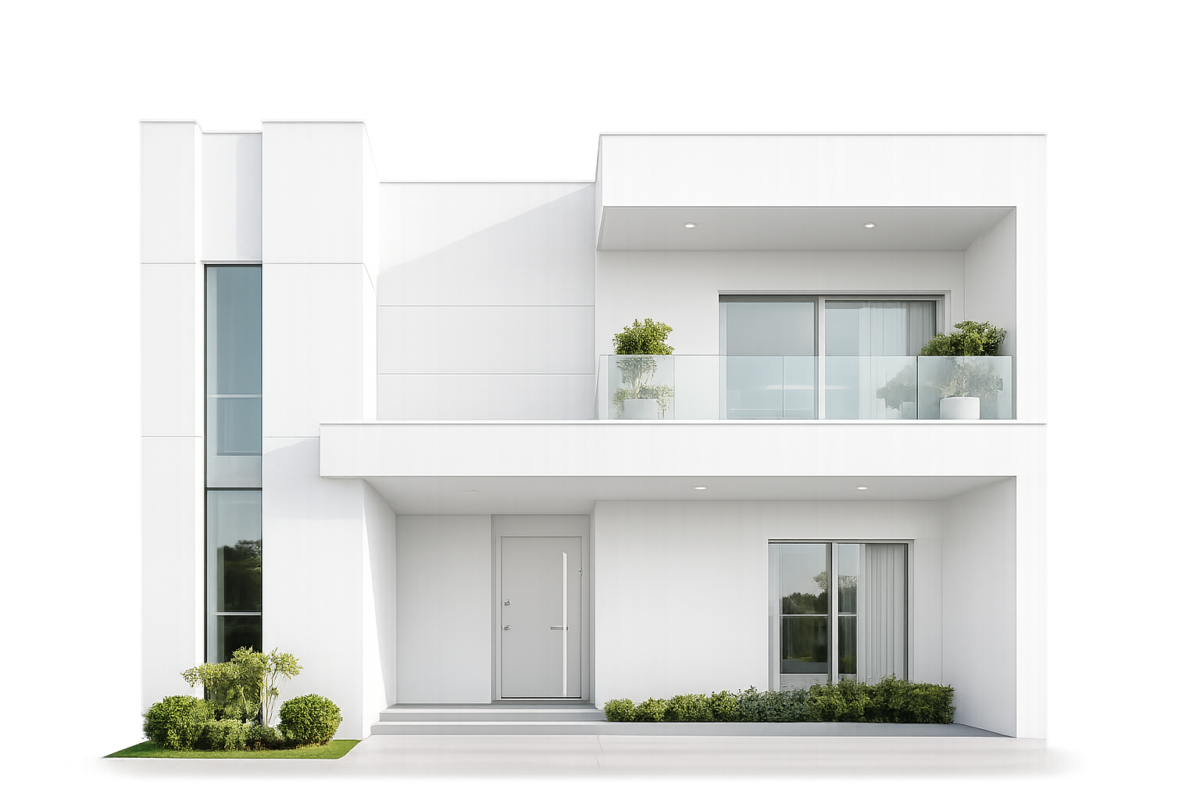
The Best Exterior Paints to Withstand Pakistani Weather
Pakistan experiences a dual extreme climate: blistering summers exceeding 45°C and intense monsoon downpours. Using standard paint will...